Czech Republic
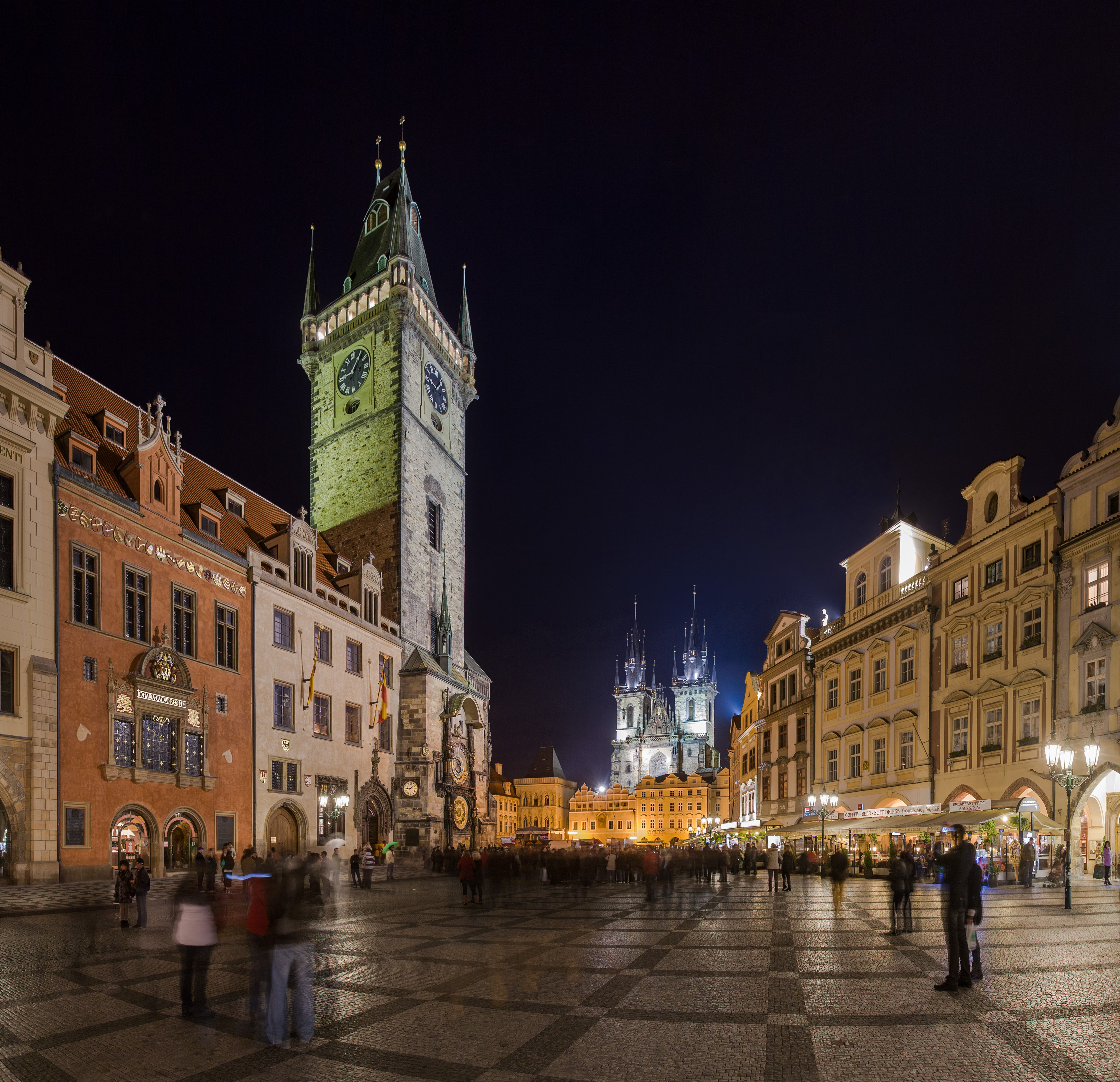
Looking for a modern-day medieval adventure? Look no further.
Combine a landscape straight from the pages of a storybook, cuisine made to warm the soul, centuries of beer expertise and a history that permeates every cobblestone, and you've found yourself in the Czech Republic. With over 2000 castles, keeps, and ruins, this nation is also a historical haven of architectural styles. From Prague, the home of the spires and a city to rival Paris, move to the Bohemian town of Cesky Krumlov or the ornate city of Olomouc and you'll understand why this country has been fought over again and again.
Discover Unique Tours
Guided by locals who create their own authentic experiences
| Tour | Location | Guide | Pricing |
|---|
Czech Republic at a glance
CAPITAL CITY
Prague (1.3 million)
POPULATION
10.87 million
CURRENCY
CZK (Czech Koruna)
LANGUAGE
Czech
TIME ZONE
(GMT+01:00) Belgrade, Bratislava, Budapest, Ljubljana, Prague
CALLING CODE
+420
ELECTRICITY
Type C (European 2-pin) Type E (French 2-pin, female earth)
Learn more about Czech Republic
Czech Republic travel FAQs
Citizens of the EU, USA, UK, Canada, Australia, and many other countries can enter the Czech Republic visa-free for stays up to 90 days within a 180-day period for tourism purposes.
Visas are the responsibility of the individual traveller. Entry requirements can change at any time, so it's important that you check for the latest information.
You can check the entry requirements for your nationality on your government's foreign travel advisories, consular websites or on our visa and entry requirements page.
While travel insurance is not mandatory for entering the Czech Republic, we strongly recommend comprehensive travel insurance for all trips. This should cover medical emergencies, trip cancellation, lost luggage, and personal liability.
The Czech Republic has good healthcare facilities, but medical treatment can be expensive for non-EU visitors without insurance. EU citizens should carry their European Health Insurance Card (EHIC) or UK Global Health Insurance Card (GHIC).
Tipping in the Czech Republic is appreciated and customary. In restaurants, it's standard to tip around 10% for good service.
When paying, tell the server the total amount you want to pay (including tip) rather than leaving money on the table. For example, if your bill is 450 CZK, you might say "Pět set" (five hundred) to pay 500 CZK.
For taxi drivers, rounding up is appreciated. Hotel staff and tour guides appreciate small tips depending on the service provided.
The Czech Republic has a continental climate with distinct seasons. Pack layers and comfortable walking shoes regardless of the season-cobblestone streets require sturdy footwear!
Summer (June-August): Light clothing, sunglasses, sunscreen, and a light jacket for cooler evenings. Temperatures can reach 30°C.
Winter (December-February): Warm coat, thermal layers, hat, gloves, scarf, and waterproof boots. Temperatures often drop below freezing, especially at night.
Spring/Autumn: Layers are essential as temperatures can vary greatly. Bring a mix of light and warm clothing, plus rain gear.
Yes! Tap water in the Czech Republic is safe to drink and meets EU quality standards. Prague's tap water is particularly good quality. Bring a reusable water bottle to stay hydrated. In restaurants, you'll typically need to order bottled water (still - "neperlivá" or sparkling - "perlivá"), as tap water isn't commonly served. Some modern establishments may provide tap water on request.
WiFi is widely available in hotels, cafés, restaurants, and public spaces throughout the Czech Republic. Prague has excellent connectivity, and most accommodations offer free WiFi.
For mobile data, EU residents benefit from free roaming. Visitors from outside the EU can purchase local SIM cards from providers like T-Mobile, O2, or Vodafone at airports, electronics stores, or shopping centers. eSIM options are also available for compatible devices.
EU residents can use their mobile phones in the Czech Republic at no extra cost thanks to EU roaming regulations. Your domestic plan's calls, texts, and data work seamlessly.
Visitors from the UK, USA, and other non-EU countries should check with their provider about international roaming rates. Consider getting a local prepaid SIM card or an international eSIM for more affordable data access during your trip.
Public toilets in the Czech Republic are generally clean and well-maintained. Many public restrooms require a small fee (usually 10-20 CZK), including those at train stations and shopping centers.
Look for "WC" or "Toalety" signs. "Muži" or "Páni" indicates men's facilities, while "Ženy" or "Dámy" indicates women's. Restaurants and cafés typically allow customers to use their facilities for free.
The Czech Republic is one of the safest countries in Europe for travellers. Standard precautions apply: watch your belongings in crowded tourist areas like Charles Bridge and Old Town Square, be aware of pickpockets in busy areas, and keep copies of important documents.
For health, no special vaccinations are required. Pharmacies (Lékárna) are well-stocked and pharmacists can provide advice for minor ailments. In emergencies, dial 112 for the universal emergency number, or 155 for ambulance, 150 for fire, and 158 for police.
Be cautious with exchange offices-some use misleading rates. Use ATMs or banks for currency exchange.
We strive to make our tours as accessible as possible. The Czech Republic has been improving accessibility, with newer metro stations in Prague having elevators and many attractions adding ramps and facilities.
However, historic sites like Prague Castle, medieval towns, and cobblestone streets can present challenges. We recommend contacting us directly to discuss your specific needs so we can advise on the suitability of particular tours and make any necessary arrangements.
Please note that some tours involve significant walking on uneven surfaces. We're happy to customize itineraries where possible to ensure everyone can enjoy the Czech experience.